 English
 русский
 Français
 Español
 عربى

Industrial facilities rely on electric motors to drive pumps, fans, conveyors, compressors, and many other types of equipment. When a motor is poorly matched to its workload, the consequences may include unnecessary energy consumption, unstable operation, or avoidable maintenance requirements. For equipment manufacturers and industrial buyers, choosing the right motor involves more than checking rated power. Load characteristics, starting conditions, operating hours, and the surrounding environment all influence long-term performance.
Match Motor Capacity to the Actual Load
Selecting a motor with the correct power rating is an important first step. A motor that cannot meet the required load may experience excessive heating or struggle during startup, while an oversized motor may operate inefficiently when the actual workload remains low.
Before purchasing equipment, engineers should examine the driven machine's operating profile. Pumps and fans may experience changing demand, while conveyors and other mechanical systems can require different amounts of torque during startup and normal operation.
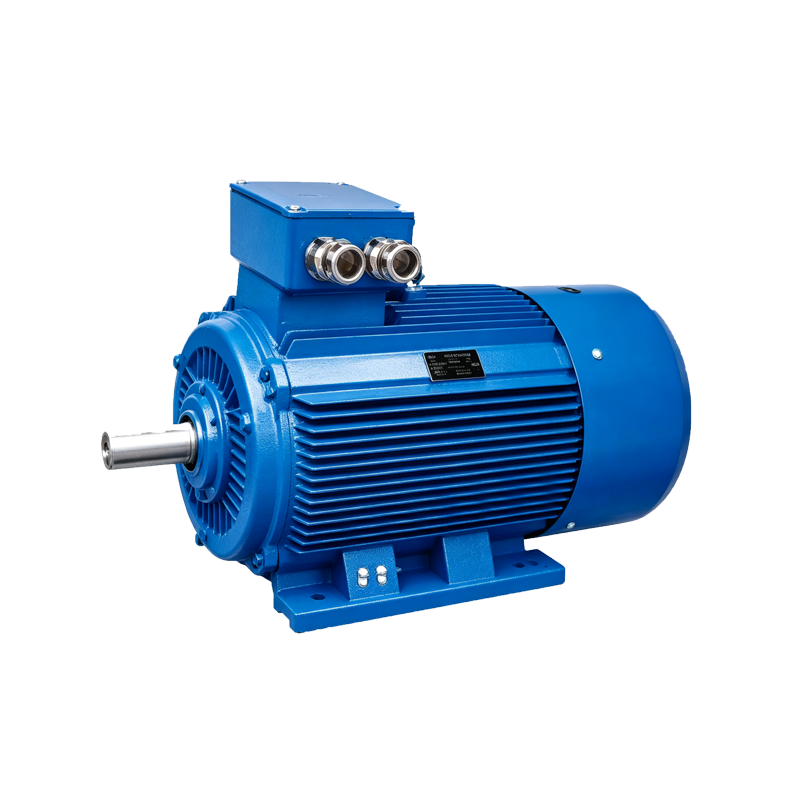
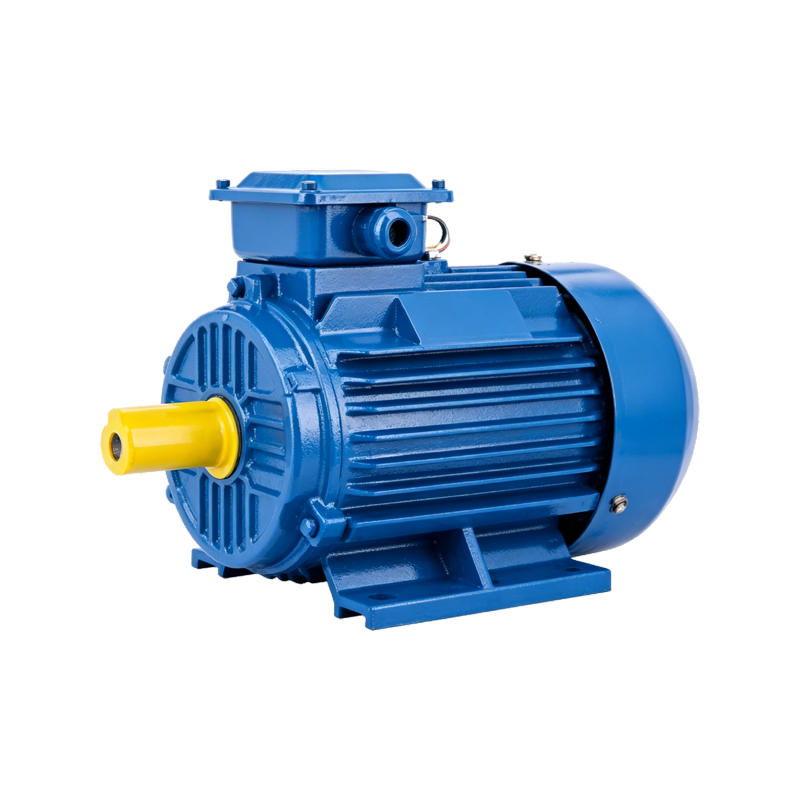
For buyers evaluating Three Phase Induction Motors, useful selection information includes:
- Required output power and operating speed
- Starting torque and load characteristics
- Expected operating hours and duty cycle
- Supply voltage and frequency
- Installation space and mechanical connection requirements
These details help manufacturers assess whether a proposed motor configuration suits the application rather than relying on rated power alone.
Understand Startup Requirements
Starting conditions can affect both the motor and the electrical system. Some machines start with little mechanical resistance, while others must overcome a substantial initial load. The selected starting method should reflect the motor's characteristics, the driven equipment, and the available power supply.
Direct-on-line starting may be suitable for certain applications, but its starting current can create challenges where electrical capacity is limited. Star-delta starting or a soft starter may be considered when compatible with the motor and load. Variable frequency drives can provide speed control where the application requires it, provided the complete system is designed appropriately.
Manufacturers should understand these operating requirements before confirming a motor specification. Early coordination can help prevent compatibility problems during installation and commissioning.
Consider Operating Conditions Before Installation
A motor's working environment can influence its service requirements. Dust, moisture, ambient temperature, vibration, and restricted ventilation may affect cooling and insulation performance. These factors deserve particular attention in manufacturing plants, workshops, and industrial processing areas.
When specifying a motor, buyers should clarify the installation location and required enclosure protection. They should also consider mounting arrangement, airflow clearance, cable access, and the surrounding mechanical structure.
A suitable motor configuration should reflect the actual environment. Choosing an enclosure or cooling arrangement without considering site conditions can create difficulties that are expensive to correct after installation.
Look Beyond Rated Efficiency
Energy efficiency is an important purchasing consideration, particularly for equipment that operates for extended periods. However, the efficiency label alone does not describe how a motor will perform throughout its working cycle.
Actual energy use depends on factors such as load level, operating speed, system resistance, and control strategy. For example, reducing the speed of a variable-load pump through an appropriately configured drive may offer operational benefits, whereas a constant-speed application may require a different approach.
Manufacturers can support better purchasing decisions by providing clear nameplate information, applicable efficiency classifications, and operating guidance. Buyers should compare specifications under equivalent conditions rather than relying on isolated figures.
Use Maintenance to Identify Early Problems
Unusual noise, rising temperature, increased vibration, or changes in current draw can indicate that a motor or its connected equipment needs inspection. These symptoms may arise from bearing wear, misalignment, ventilation problems, electrical supply issues, or excessive mechanical load.
A practical inspection routine can include:
- Checking ventilation openings and cooling components
- Inspecting mounting bolts and mechanical alignment
- Monitoring unusual vibration, sound, and temperature changes
- Reviewing electrical connections according to safe maintenance procedures
- Recording operating conditions to identify recurring changes
Maintenance findings should be assessed systematically because similar symptoms can have different causes. Correct diagnosis helps avoid unnecessary component replacement.
Evaluate Manufacturing Quality During Procurement
Industrial buyers also need confidence that the motor supplied will match the approved specification. Important considerations include winding quality, insulation materials, shaft dimensions, bearing arrangements, assembly accuracy, and functional testing.
As a manufacturer, we consider specification confirmation and production inspection essential parts of delivering suitable motor solutions. Clear communication about operating conditions and application requirements helps align the selected design with the customer's equipment.
Buyers should also confirm documentation, connection details, mounting dimensions, and the availability of appropriate technical support before placing repeat orders.
Selecting a motor is ultimately a system-level decision. By combining accurate load assessment, suitable electrical configuration, environmental considerations, and a realistic maintenance plan, industrial buyers can make more informed equipment investments. A manufacturer that understands these practical requirements can help customers identify a motor configuration suited to their operating conditions and long-term production needs.