 English
 русский
 Français
 Español
 عربى

Integrating an electric motor into industrial equipment involves more than securing it to a mounting base and connecting the power supply. Mechanical alignment, shaft compatibility, load transfer, ventilation, and installation space can all affect how the complete system operates. When these details are overlooked, equipment may develop excessive vibration, unusual noise, or premature component wear. For machinery manufacturers and industrial buyers, addressing integration requirements early can make installation more straightforward and help reduce commissioning difficulties.
Confirm Mounting Dimensions Before Assembly
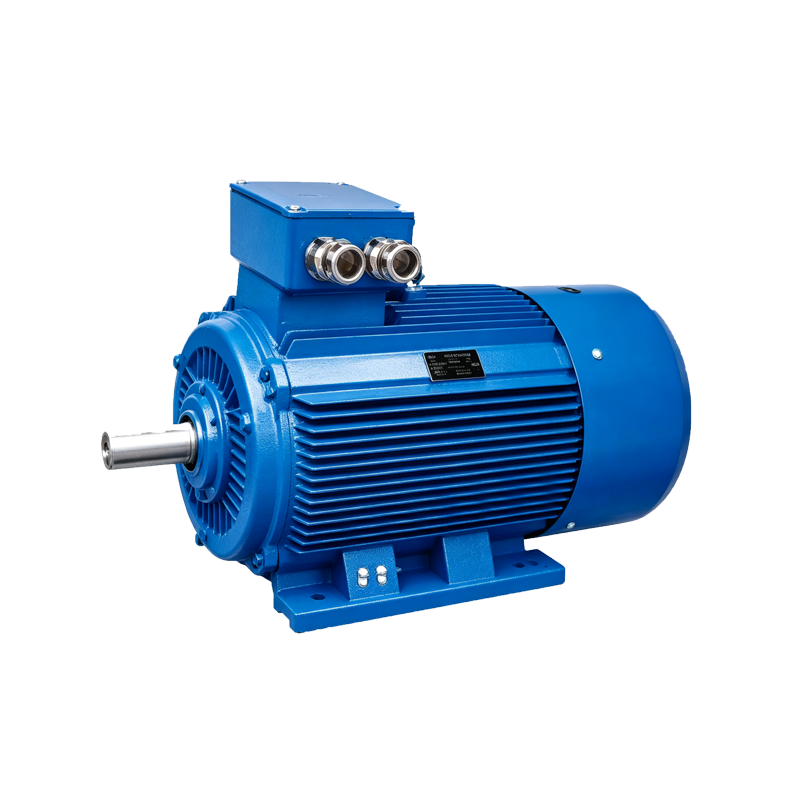
Motor dimensions must match the mechanical structure of the equipment. Mounting-hole positions, shaft height, frame size, and available installation space should be checked against the approved drawings before production or replacement begins.
A motor that fits within the available space may still be unsuitable if its mounting arrangement differs from the equipment design. Forced installation or improvised modifications can create alignment problems and complicate future maintenance.
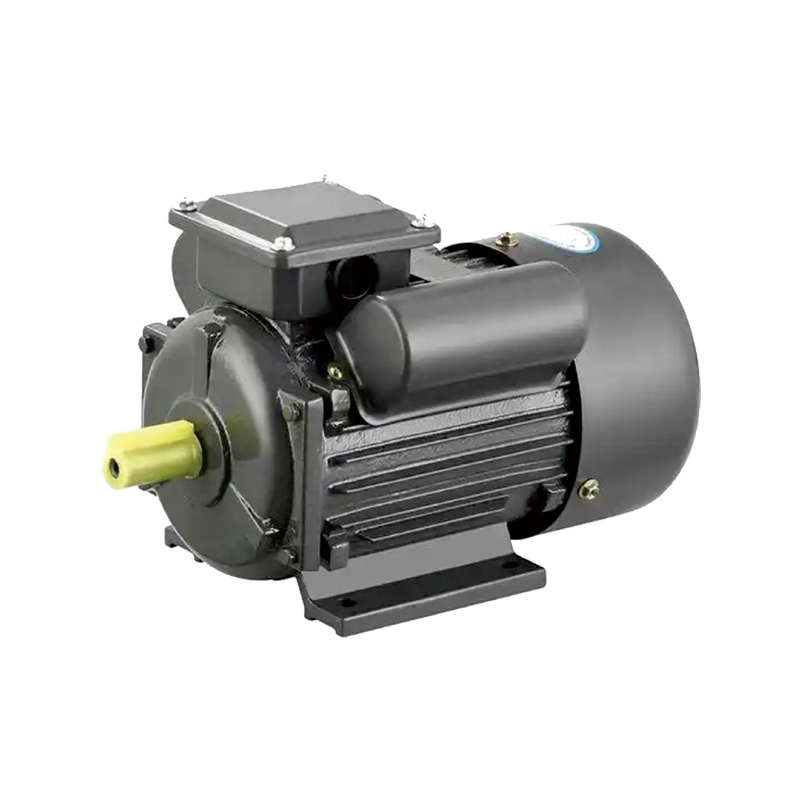
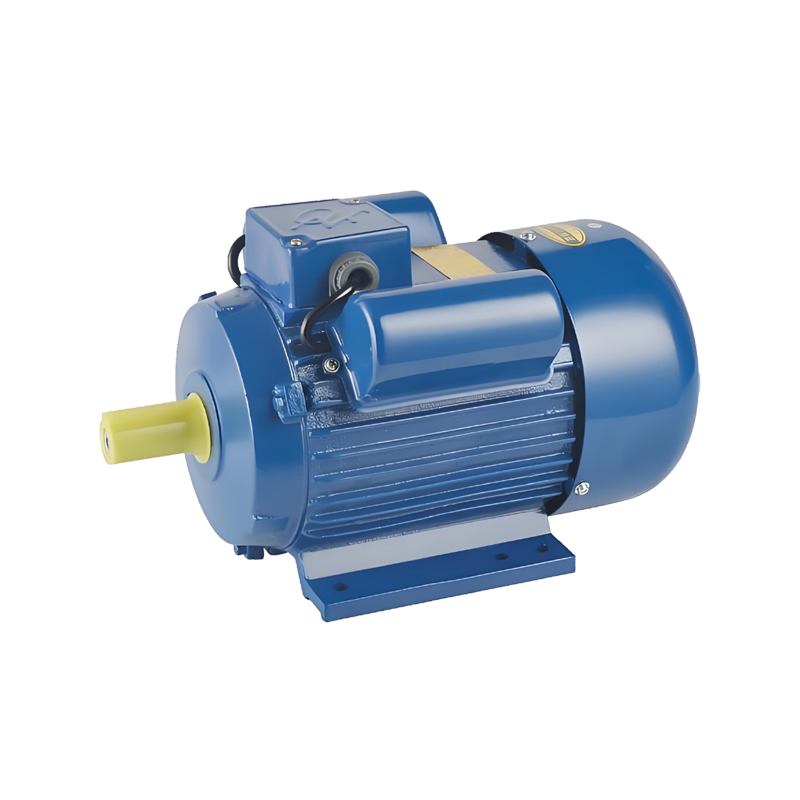
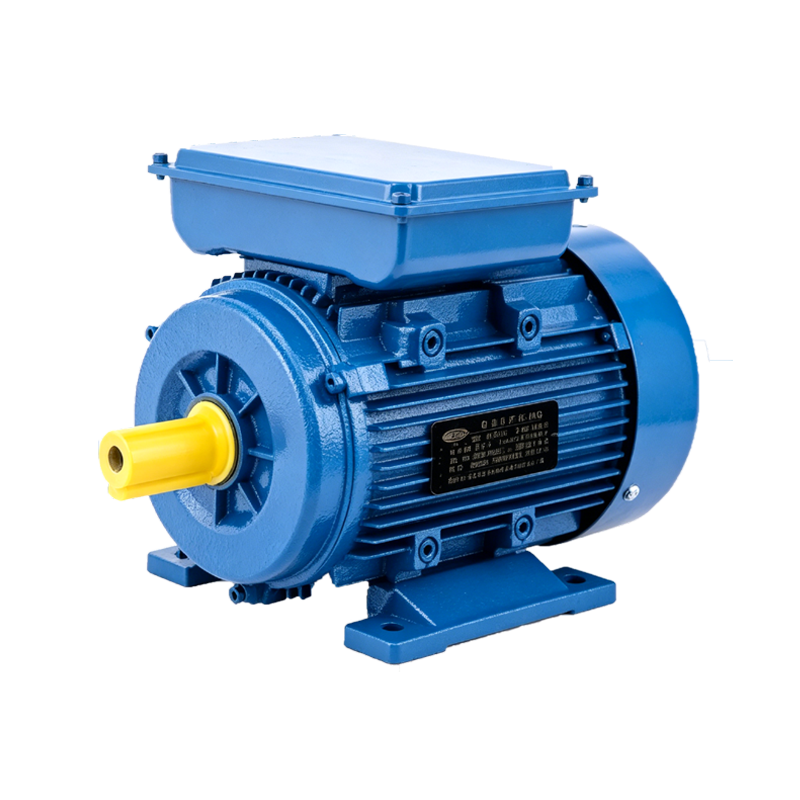
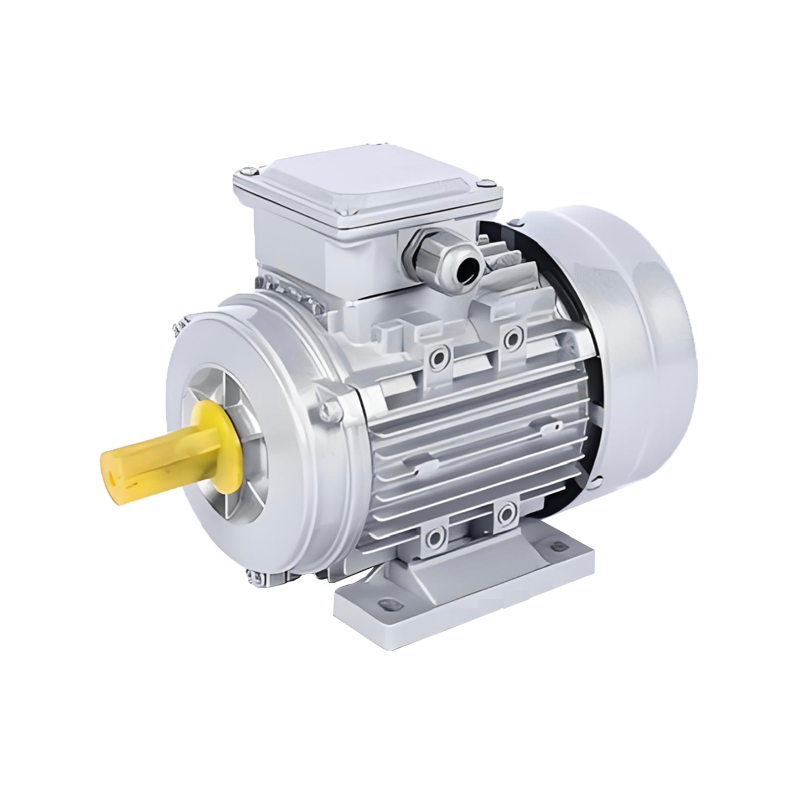
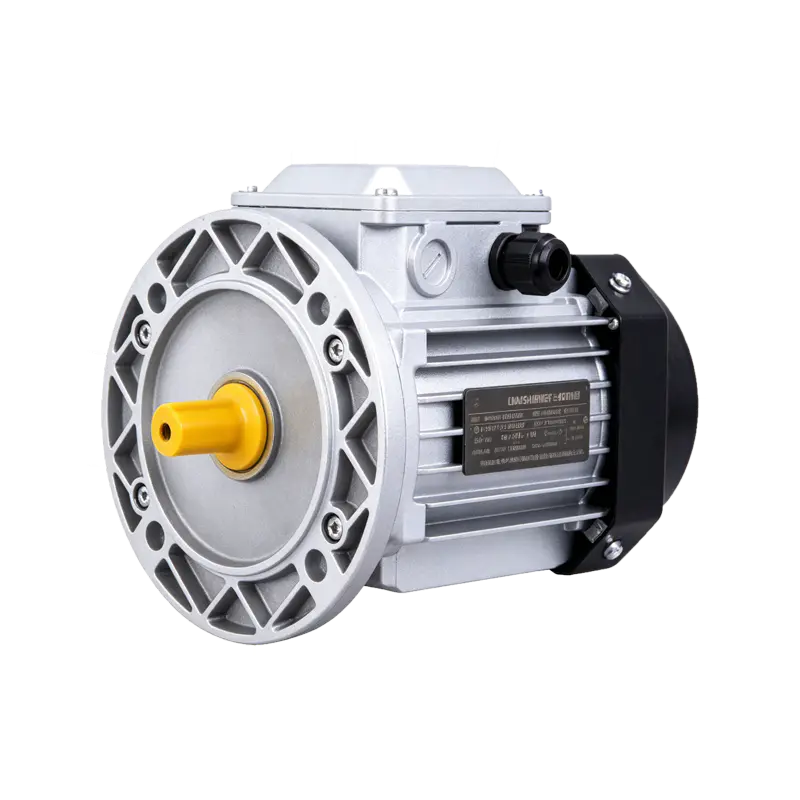
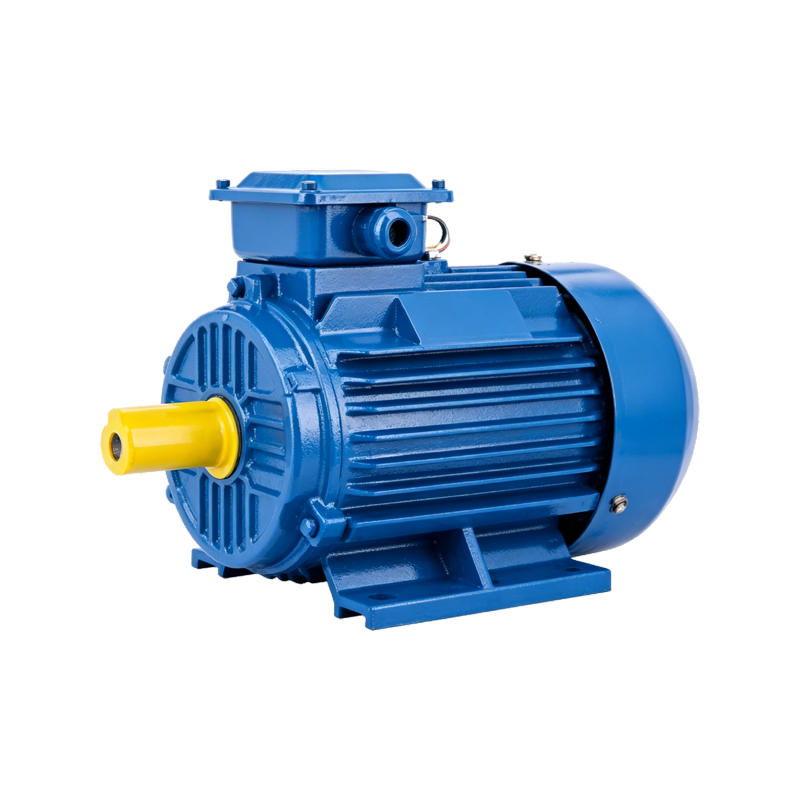
When specifying Three Phase Induction Motors, buyers should provide the required mounting configuration, shaft dimensions, rated operating conditions, and any space restrictions. This information allows the manufacturer to assess compatibility before the motor reaches the assembly line.
Pay Attention to Shaft and Coupling Compatibility
The connection between the motor shaft and the driven machine plays an important role in mechanical stability. Shaft diameter, keyway dimensions, coupling type, and the permitted alignment range should all be confirmed during equipment design.
Incorrect alignment can introduce additional forces into bearings and connected components. Excessive coupling stress may also contribute to vibration or shorten component service life.
During assembly, technicians should follow the specified alignment procedure and check that the coupling is installed correctly. The connection should transfer power without placing unnecessary mechanical stress on the motor shaft.
Understand How the Load Is Transmitted
Different machines place different demands on a motor. Pumps, conveyors, mixers, and processing equipment may require different starting torque, operating torque, and load characteristics.
The transmission arrangement also matters. Belt drives, gearboxes, and direct couplings create different mechanical conditions, so the motor should be selected according to the actual load and installation design.
Manufacturers should review the driven equipment's operating requirements rather than treating the motor as an isolated component. This helps establish whether the proposed configuration is appropriate for normal operation and expected load changes.
Provide Adequate Cooling and Ventilation Space
Heat management is another important consideration during integration. If the motor is installed too close to surrounding structures or enclosed without suitable airflow, heat dissipation may be restricted.
Before finalizing the equipment layout, engineers should check the motor's cooling arrangement, ventilation openings, ambient conditions, and recommended installation clearances. Dust accumulation and nearby heat sources should also be considered where relevant.
For compact machinery, these requirements may influence the overall equipment layout. Planning for ventilation during the design stage is generally more practical than attempting to correct restricted airflow after assembly.
Check Electrical Connections and Protection
Mechanical compatibility alone cannot ensure reliable operation. The motor's rated voltage, frequency, connection method, and phase requirements must match the available power supply and control arrangement.
Electrical protection should also reflect the motor rating and application. Appropriate overload protection helps address excessive current caused by certain operating conditions, while the installation should include suitable grounding and other required protective measures.
Before energizing the system, qualified personnel should verify the wiring, terminal connections, and control settings against the approved documentation. Any testing should follow the manufacturer's instructions and applicable workplace safety procedures.
Make Commissioning Part of the Integration Process
Initial operation provides an opportunity to identify problems before equipment enters regular production. A structured commissioning check should examine both motor behavior and the connected machinery.
Useful checks include:
- Confirming the mounting and coupling arrangements
- Checking the direction of rotation where relevant
- Listening for abnormal noise during operation
- Observing vibration and temperature changes
- Verifying that the equipment responds correctly to its intended load
If an abnormal condition appears, the system should be assessed before continued operation. Recording the results also creates a useful reference for future maintenance and troubleshooting.
Work With the Manufacturer Before Finalizing the Design
Reliable motor integration depends on coordination between the motor specification and the equipment's mechanical and electrical requirements. Three Phase Induction Motors should therefore be evaluated as part of the complete drive system, with attention to mounting, transmission, cooling, and control compatibility.
As a manufacturer, we can assess customer-provided drawings, operating conditions, and installation constraints to help determine a suitable configuration. Clear technical communication before ordering can reduce uncertainty during assembly and support more consistent equipment integration. By confirming these details early, buyers can make better-informed purchasing decisions and establish a more dependable foundation for industrial operation.