 English
 русский
 Français
 Español
 عربى

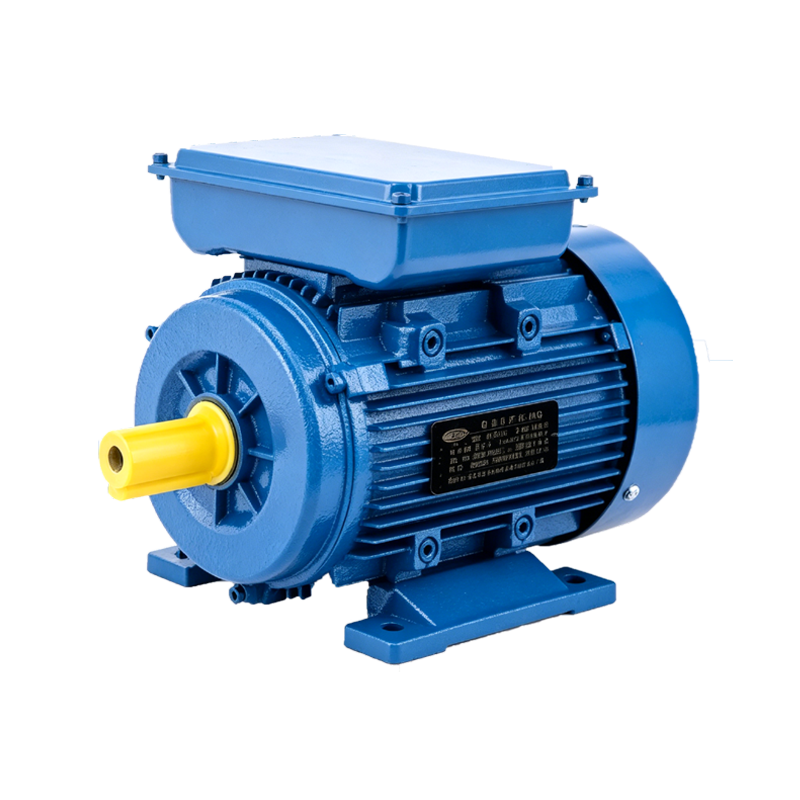
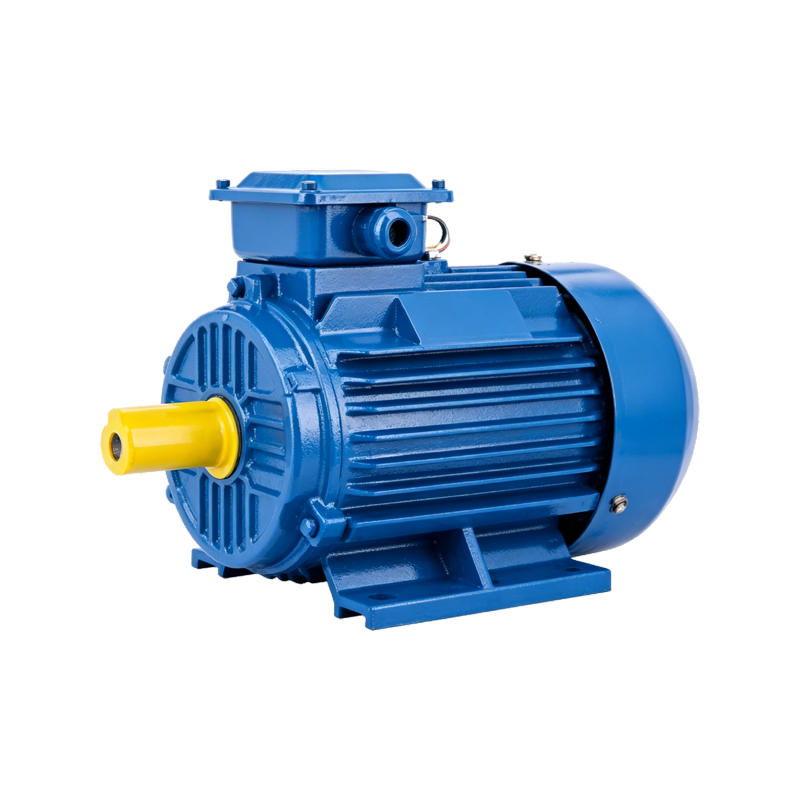
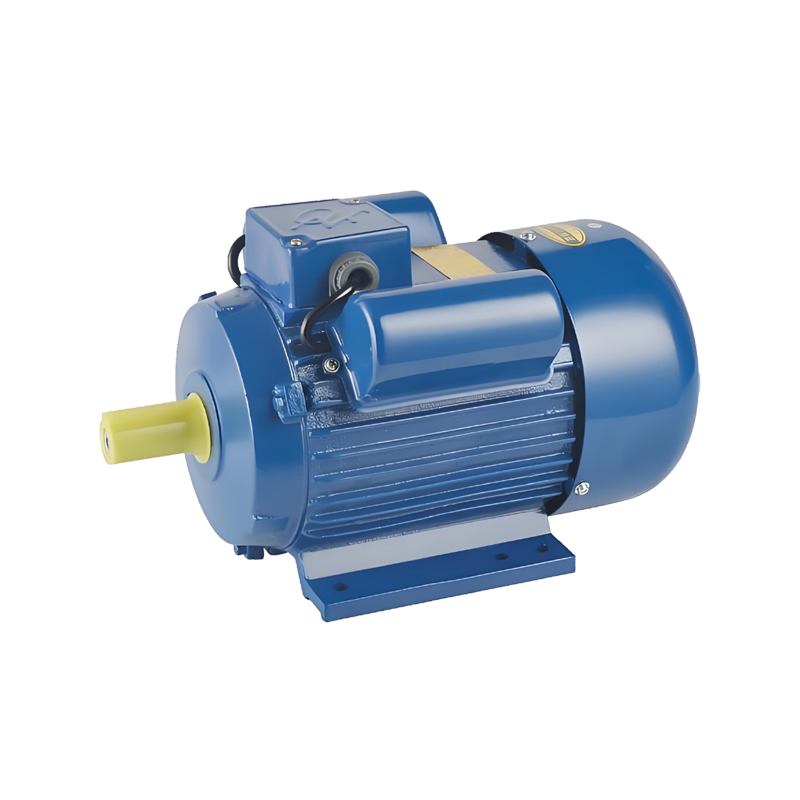
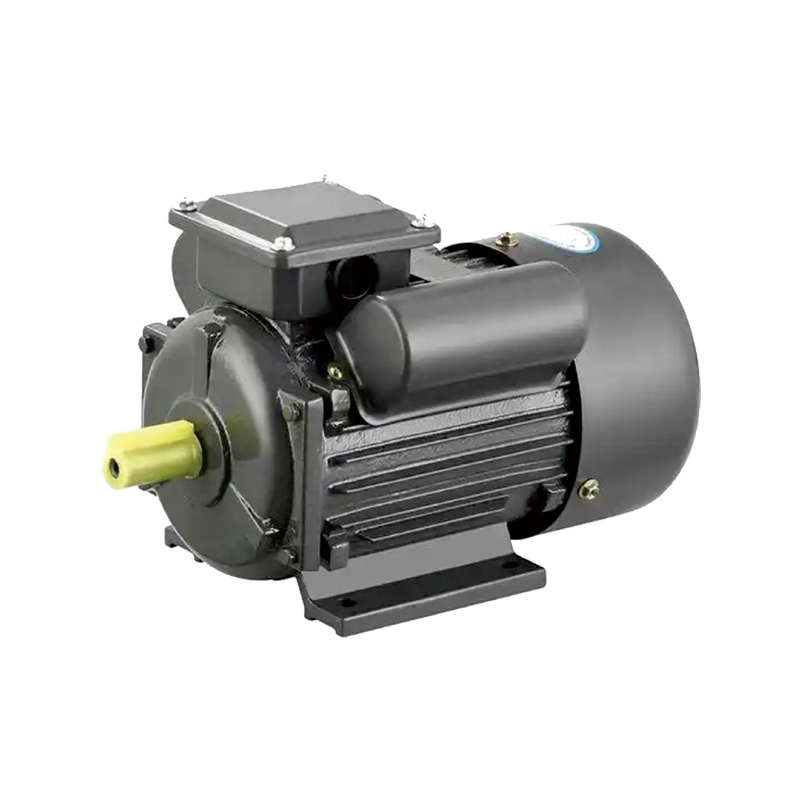
When purchasing electric motors for commercial equipment, buyers often compare power, speed, voltage, and price before considering operating noise. However, unexpected vibration and mechanical noise can affect equipment performance, increase maintenance requirements, and create an uncomfortable working environment. Single Phase Induction Motors are widely used in ventilation equipment, water pumps, compressors, refrigeration systems, and other machinery where single-phase power is available. For equipment manufacturers, controlling noise is not simply a matter of improving comfort. It is also part of delivering a more reliable and competitive finished product.
Understanding Where Motor Noise and Vibration Come From
Motor noise does not always indicate a serious mechanical failure, but unusual changes in sound should not be ignored. Several factors can contribute to excessive noise during operation.
Electromagnetic forces inside the motor can cause vibration in the stator and other structural components. Mechanical issues, including bearing wear, rotor imbalance, and inaccurate assembly, may create additional noise. In some cases, an unsuitable capacitor or winding configuration can also influence electromagnetic vibration.
For manufacturers, identifying the actual noise source is important before making design adjustments. Replacing components without understanding the underlying cause may increase costs without addressing the problem.
Why Capacitor Selection Matters for Quieter Operation
Capacitors play an important role in the starting and running performance of many single-phase induction motors. Their electrical characteristics influence the phase relationship between the main and auxiliary windings, which affects the motor's magnetic field and operating behavior.
An unsuitable capacitor value may contribute to unstable operation, increased current, or additional electromagnetic noise. However, noise reduction cannot be achieved through capacitor replacement alone. Winding design, rotor characteristics, and the motor's mechanical structure must also be considered.
Depending on the application, permanent split capacitor and capacitor-start capacitor-run configurations offer different performance characteristics. Engineers should evaluate starting requirements, running conditions, and noise expectations together when selecting a suitable design.
Mechanical Assembly Has a Direct Impact on Operating Noise
Even when the electrical design is appropriate, inconsistent mechanical assembly can affect the final motor's sound and vibration levels.
Bearing alignment, shaft concentricity, rotor balance, and the fit between assembled components all deserve attention. Small manufacturing variations may become more noticeable when the motor operates continuously or at higher speeds.
As a manufacturer, we consider production consistency an important part of motor quality control. Relevant inspection procedures may include:
- Checking shaft dimensions and mechanical tolerances.
- Inspecting bearing installation and rotor assembly.
- Evaluating vibration during motor operation.
- Listening for abnormal friction or mechanical noise during testing.
These checks help identify potential assembly issues before products are delivered to equipment manufacturers.
Does the Installation Environment Make Noise Worse?
A motor that operates quietly during individual testing may produce more noise after installation. This can happen because the surrounding equipment changes how vibration travels through the structure.
For example, a motor mounted on a thin metal panel may transfer vibration to the equipment housing. Loose mounting bolts, poor alignment with the driven machine, and unsuitable support structures can also create additional resonance.
Buyers should therefore evaluate motor noise within the actual application whenever possible. Using appropriate mounting arrangements, maintaining shaft alignment, and selecting suitable vibration-isolation components can help reduce noise transmission.
What Should OEM Buyers Include in Their Motor Specifications?
For international equipment manufacturers, noise requirements should be discussed before production rather than treated as a final inspection issue.
A detailed technical specification helps suppliers understand the expected operating conditions and performance targets. In addition to rated power and voltage, buyers should consider:
- Noise expectations: Define acceptable sound levels and the intended measurement conditions.
- Operating speed: Confirm the required speed and frequency compatibility.
- Load conditions: Explain whether the motor operates continuously or under changing loads.
- Mounting configuration: Provide installation dimensions, shaft details, and connection requirements.
- Environmental conditions: Identify temperature, humidity, and ventilation requirements.
Providing this information allows manufacturers to evaluate the design more accurately and recommend suitable motor configurations.
Manufacturing Quality Is Essential for Consistent Performance
For bulk purchasers, one well-performing sample is not enough to establish long-term supplier reliability. Consistency across production batches is equally important, particularly when motors are integrated into standardized equipment.
A professional manufacturing process should combine incoming material inspection, controlled winding and assembly procedures, and appropriate electrical and mechanical testing. Depending on the product requirements, inspection may cover insulation performance, current, rotational direction, temperature rise, and abnormal vibration or noise.
Clear communication between the motor manufacturer and OEM buyer also helps resolve technical issues before they affect mass production. Reviewing samples and confirming critical specifications can reduce compatibility risks during equipment assembly.
Choosing a Motor That Meets Real Operating Requirements
Noise control is closely connected to electrical design, mechanical precision, installation quality, and application conditions. No single adjustment can guarantee quieter operation across every type of equipment.
For distributors and equipment manufacturers, discussing these factors with a qualified supplier can make motor selection more efficient and reduce unnecessary modifications after delivery. As demand for reliable and application-specific equipment continues to grow, selecting well-designed Single Phase Induction Motors requires attention not only to electrical ratings but also to vibration, acoustic performance, and manufacturing consistency. A suitable motor solution can help OEM manufacturers improve their finished products while building stronger confidence among their customers.