 English
 русский
 Français
 Español
 عربى

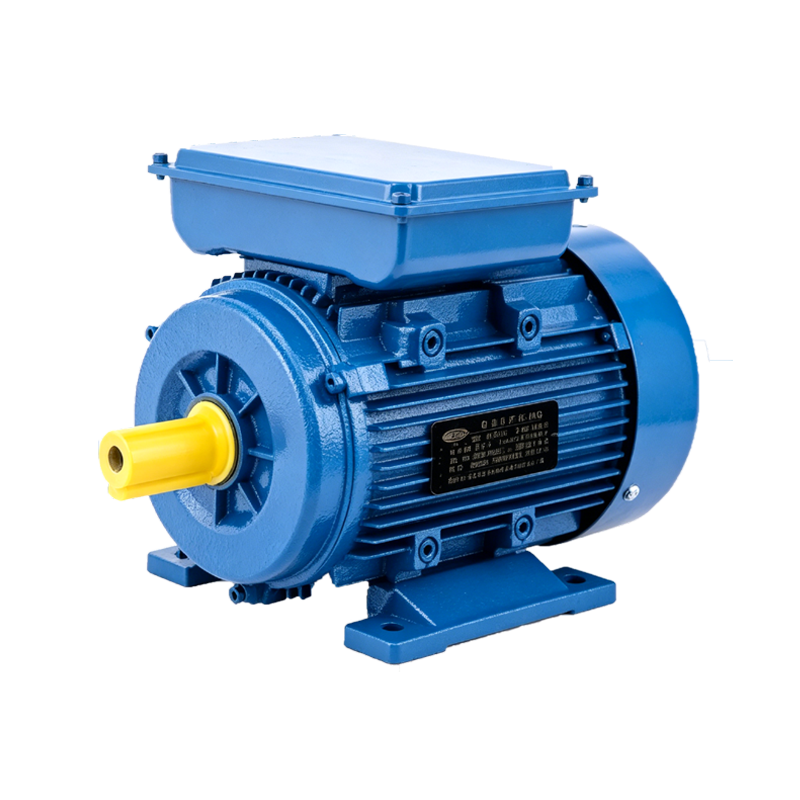
For equipment manufacturers and maintenance teams, motor reliability is not determined by starting performance alone. A motor that operates for extended periods under high temperatures or changing loads may experience gradual insulation deterioration, even when no immediate fault is visible. For buyers sourcing Single Phase Induction Motors, understanding thermal protection and insulation requirements is essential to reducing unexpected downtime and improving equipment service life.
Why Is Excessive Heat a Common Motor Reliability Concern?
During operation, electrical losses and mechanical friction generate heat inside an induction motor. If the heat cannot dissipate effectively, winding temperatures may rise beyond the intended operating range.
Several conditions can contribute to excessive heating:
- Continuous operation under heavy mechanical loads
- Insufficient ventilation around the motor housing
- High ambient temperatures in the installation environment
- Frequent operating cycles or extended running periods
- Dust accumulation that restricts cooling airflow
These conditions may accelerate insulation aging and increase the possibility of winding failure. Therefore, thermal performance should be considered during motor selection rather than treated only as a maintenance issue.
What Role Does Insulation Class Play in Motor Performance?
Insulation materials protect motor windings and help prevent electrical faults between conductors. Different insulation classes have different thermal limits, making this specification important when matching a motor to its working environment.
However, selecting a higher insulation class does not automatically make a motor suitable for every demanding application. Buyers should also consider the actual temperature rise, rated load, cooling conditions and expected operating cycle.
Manufacturers should provide clear information about the insulation system and its intended operating conditions. This helps equipment designers evaluate whether the motor is appropriate for continuous-duty or intermittent-duty applications.
Is Built-In Thermal Protection Necessary?
Thermal protection can help reduce the risk of damage when a motor experiences abnormal temperature increases. Depending on the motor design, protection may involve thermal protectors or other temperature-responsive devices that interrupt operation when specified limits are reached.
For equipment used in pumps, ventilation systems and small industrial machinery, this additional protection can be valuable. It is particularly relevant where motors operate for long periods or where operators cannot continuously monitor equipment temperature.
Buyers should confirm the protection method, operating limits and reset characteristics with the manufacturer before ordering.
How Should Buyers Match Motors to Real Operating Conditions?
A motor's rated power alone cannot describe its suitability for an application. Procurement teams should evaluate the complete operating environment, including:
- Duty cycle: Whether the motor runs continuously or starts and stops periodically.
- Load characteristics: Whether the driven equipment creates steady or fluctuating mechanical demand.
- Cooling conditions: Whether sufficient airflow is available around the motor.
- Ambient temperature: Whether the installation environment may increase the motor's thermal burden.
- Protection requirements: Whether additional thermal or environmental protection is necessary.
Providing these details during the quotation stage helps manufacturers recommend a more appropriate configuration.
What Can Manufacturers Do to Support Long-Term Reliability?
Motor manufacturers need to consider winding materials, insulation systems, cooling structures and protection components as parts of one design. Quality control during winding, assembly and final inspection also helps maintain product consistency.
For OEM customers, customization may involve matching voltage, frequency, mounting dimensions, shaft configuration and protection requirements to the equipment design. Clear technical communication is important because a motor must work reliably as part of the complete machine, not simply meet an isolated specification.
Why Should Motor Buyers Consider More Than Initial Price?
A lower purchase price may not represent the best long-term value if the motor requires frequent replacement or creates maintenance interruptions. Buyers should compare technical suitability, expected operating conditions, product consistency and supplier support alongside unit cost.
A well-matched motor can help equipment manufacturers reduce avoidable maintenance risks and maintain more predictable operation.
Making Thermal Reliability Part of Motor Selection
Thermal performance deserves attention in every motor procurement decision, particularly when equipment operates for extended periods or in demanding environments. By evaluating insulation class, temperature rise, cooling conditions and protection features before ordering, buyers can make more informed decisions. Working with an experienced supplier of Single Phase Induction Motors also helps ensure that motor specifications align with actual application requirements.