 English
 русский
 Français
 Español
 عربى

Industrial motor purchasing involves more than comparing rated power and unit price. A motor must fit the mechanical equipment, electrical supply, installation space, and expected operating conditions. When specifications are incomplete, buyers may receive a model that meets the basic power requirement but requires additional adapters, wiring changes, or adjustments before it can be used. For equipment manufacturers and maintenance teams, preparing a clear technical specification before requesting a quotation helps reduce these avoidable complications.
Confirm Electrical Ratings Before Comparing Models
The motor's electrical ratings provide the starting point for product selection. Rated voltage, frequency, current, output power, and speed should be reviewed together rather than treated as separate purchasing details.
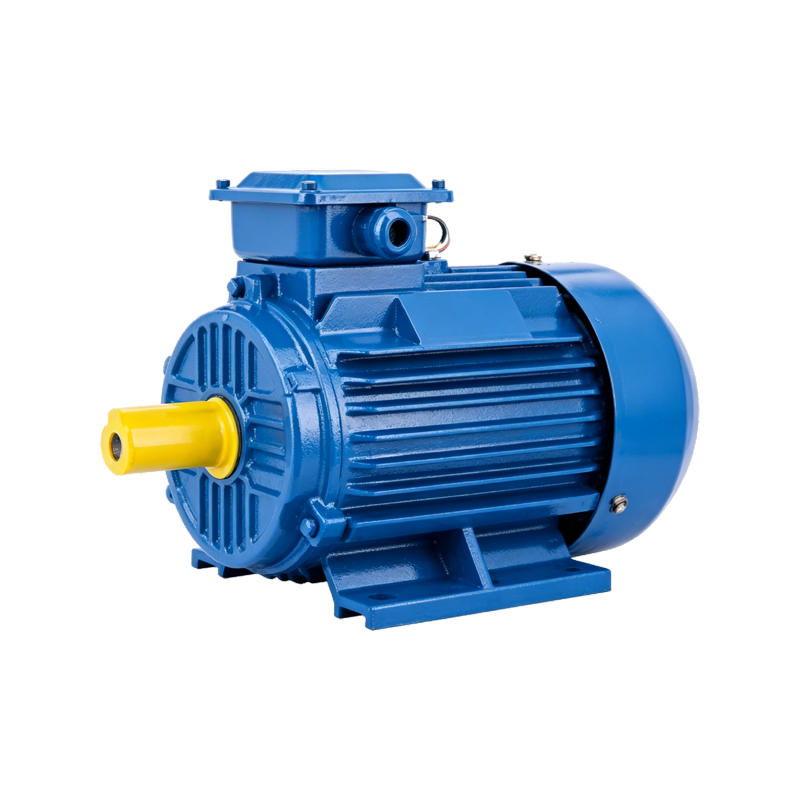
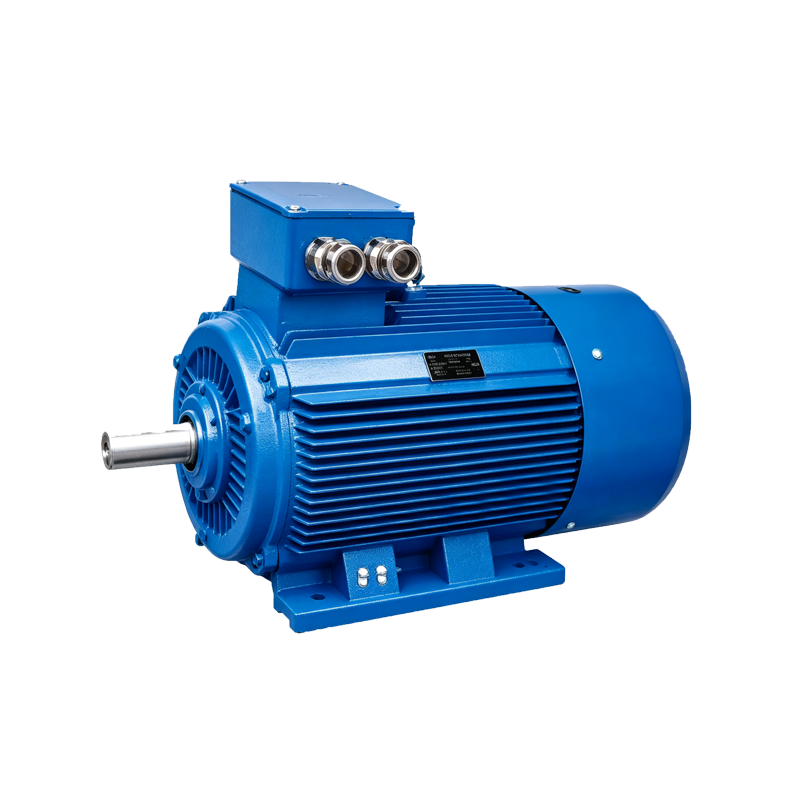
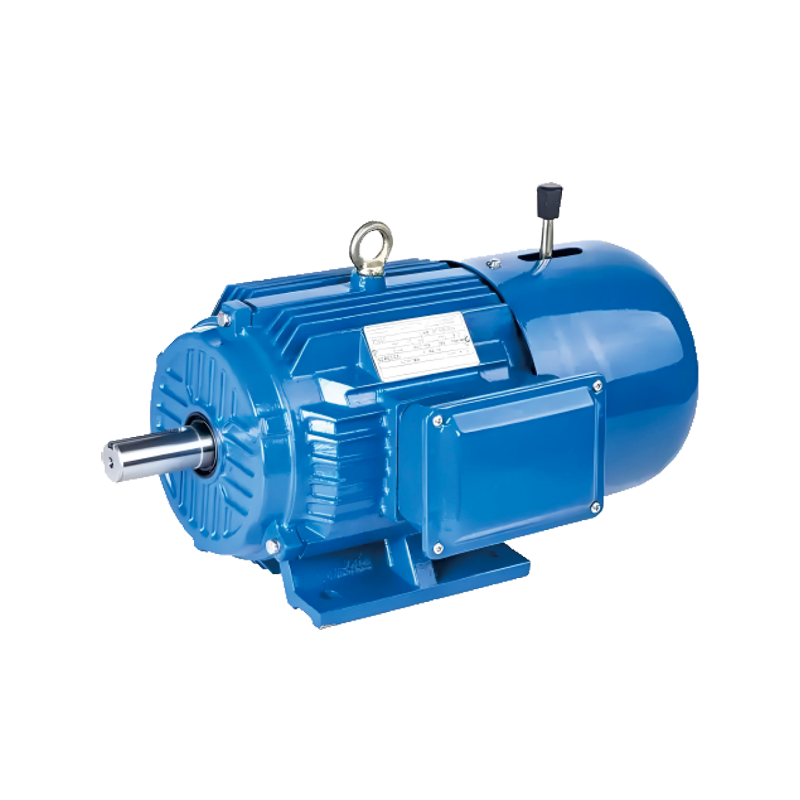
When sourcing Three Phase Induction Motors, buyers should also confirm the available power supply and the intended starting or control method. A motor designed for one operating condition may not be suitable for a different supply arrangement or demanding starting duty without further evaluation.
Providing the manufacturer's engineering team with the actual application details makes model comparison more meaningful and helps prevent decisions based only on nominal power.
Check Mounting Dimensions and Shaft Details
Mechanical compatibility is equally important. Even when two motors have similar electrical ratings, differences in mounting dimensions, shaft diameter, shaft extension, or frame size can prevent direct replacement.
Before placing an order, buyers should confirm the mounting arrangement, installation orientation, shaft dimensions, and available space around the motor. For replacement projects, drawings and measurements of the existing equipment can provide a useful reference.
Manufacturers should verify these details against the selected model's technical drawings. This is particularly helpful when motors are integrated into custom machinery or when a replacement must fit an established installation.
Select Protection for the Working Environment
The installation environment affects the motor configuration required for dependable operation. Dust, moisture, ambient temperature, ventilation, and exposure to corrosive substances can influence enclosure and protection requirements.
Buyers should describe the actual operating environment instead of requesting a general-purpose motor without further detail. They should also clarify whether the motor will operate indoors, outdoors, inside an enclosure, or in an area with special environmental requirements.
A manufacturer can then assess the appropriate protection level and cooling arrangement according to the intended application.
Specify the Expected Duty Cycle
Operating time and load variation influence motor selection and thermal performance. Some machines operate continuously under relatively stable loads, while others start and stop frequently or experience changing torque requirements.
Procurement teams should explain how often the motor starts, how long it operates, and whether the load changes significantly during production. Engineers can use this information to evaluate the required duty rating and identify any additional starting or thermal considerations.
Clear duty information is more useful than assuming that motors with the same rated output will perform identically in every application.
Standardize Specifications Across Repeat Orders
For companies purchasing motors regularly, inconsistent product descriptions can complicate inventory management. Similar models may differ in mounting details, voltage ratings, connection arrangements, or other characteristics that are not immediately obvious from a product name.
A standardized purchasing record should include:
- Complete model identification and rated output
- Voltage, frequency, current, and speed
- Mounting arrangement and shaft dimensions
- Enclosure and cooling requirements
- Required accessories and connection details
Keeping approved specifications and drawings together helps purchasing teams reorder the intended model and reduces confusion when several motor types are used across different machines.
Evaluate Documentation and Replacement Support
Technical documents are important throughout the motor's working life. Installation drawings, wiring information, nameplate details, and maintenance instructions help technicians install and service equipment correctly.
Before confirming an order, buyers should clarify which documents will be supplied and how the model will be identified on the product and packaging. For repeat purchasing, retaining the approved specification and order records also makes it easier to verify replacement requirements.
These practices support communication between procurement, engineering, and maintenance teams.
Make Specification Accuracy Part of Purchasing
A reliable motor purchase begins with complete electrical, mechanical, and environmental requirements. By confirming interfaces, operating conditions, and documentation before ordering, buyers can reduce compatibility problems and make future replenishment more straightforward. A Three Phase Induction Motors manufacturer that reviews these details during the quotation stage can help overseas customers identify suitable configurations and establish clearer specifications for production equipment and replacement needs.