 English
 русский
 Français
 Español
 عربى

Industrial equipment increasingly needs to respond to changing production demands rather than operate at one fixed speed. Pumps may need to adjust flow, fans may need to respond to ventilation requirements, and conveyors may need to coordinate material movement. Variable-speed operation can provide this flexibility, but changing motor speed also affects cooling, torque, and control requirements. For equipment manufacturers and industrial buyers, understanding these factors before choosing a motor can help prevent unexpected operating problems.
Check Whether the Motor Suits Variable-Speed Duty
Not every motor installation is automatically suitable for continuous speed adjustment. The operating range, required torque, cooling arrangement, and control method all influence whether a motor can perform reliably under variable-speed conditions.
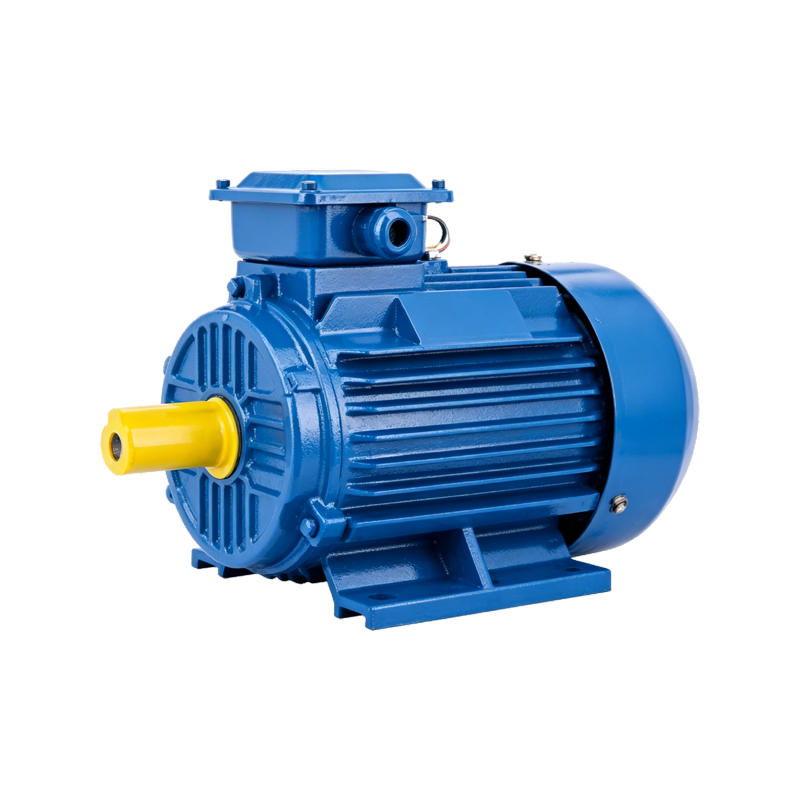
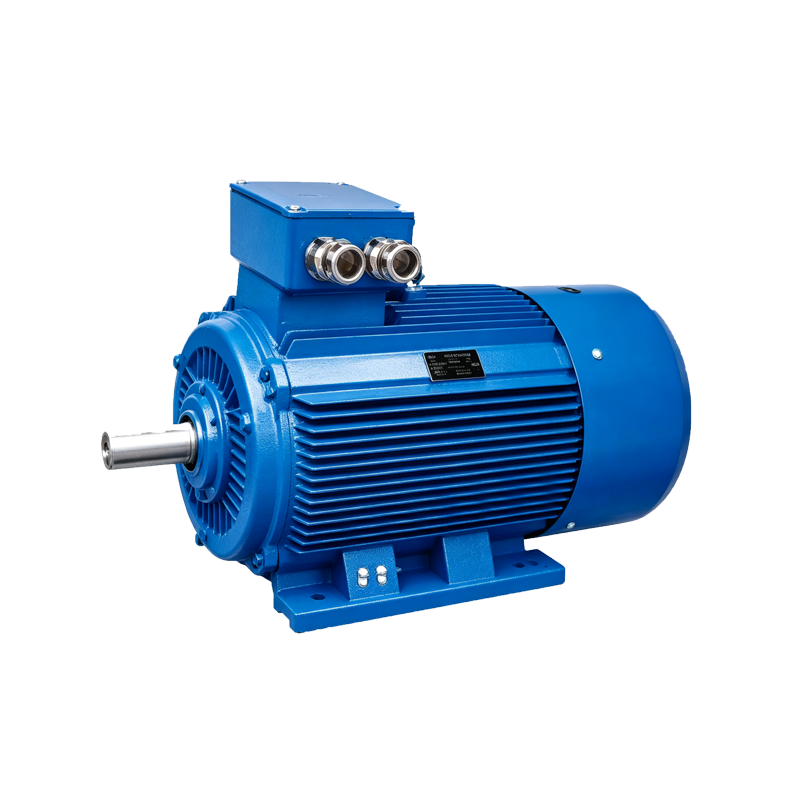
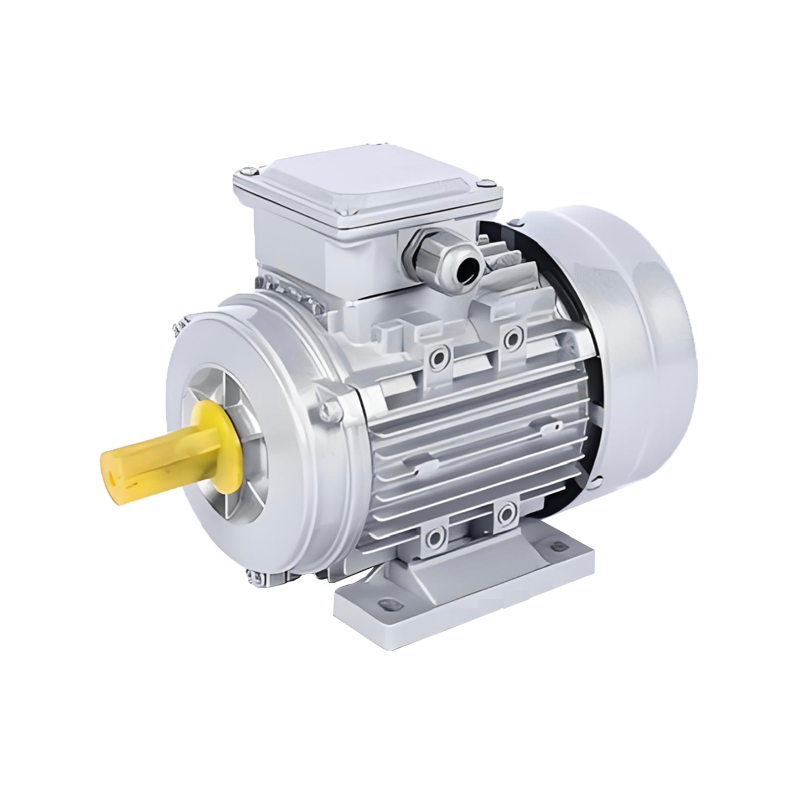
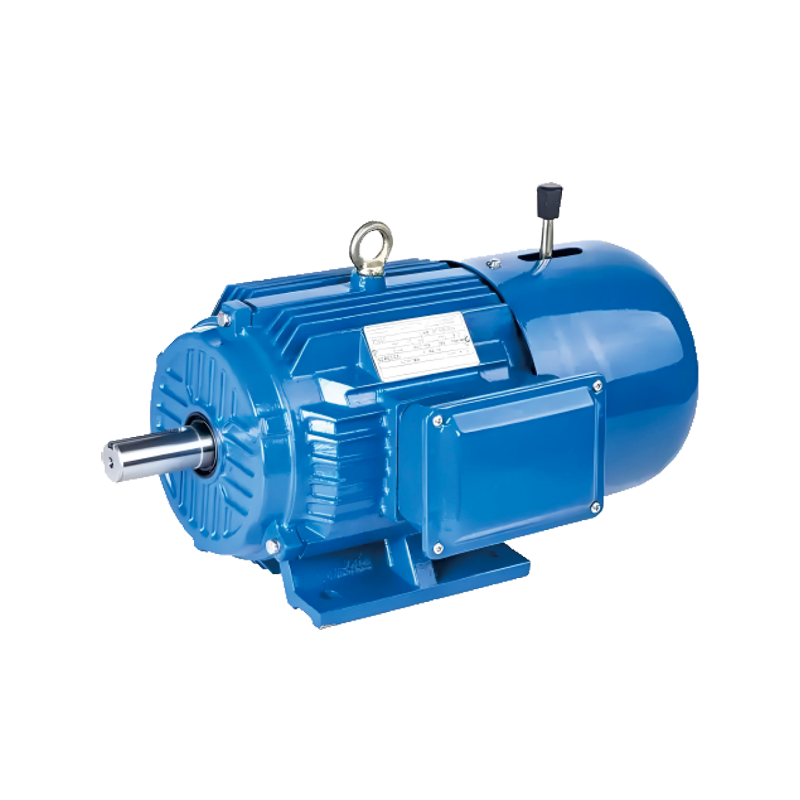
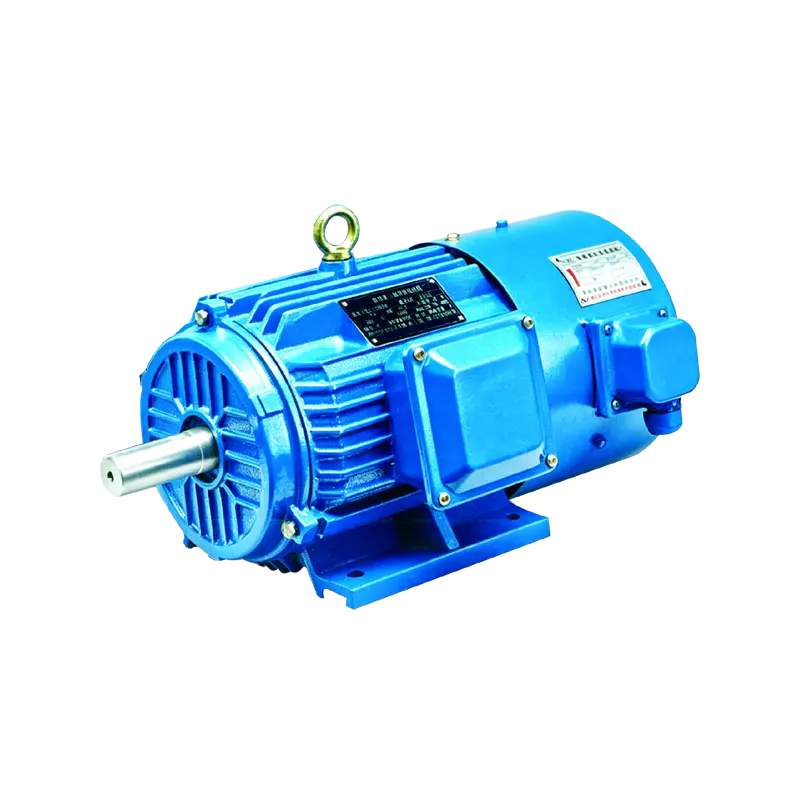
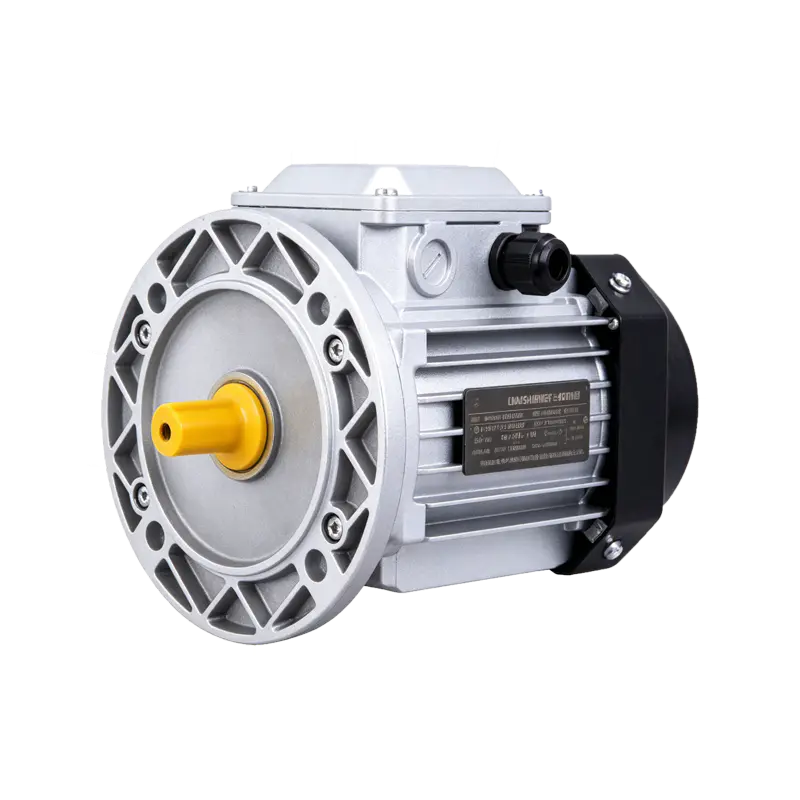
When selecting Three Phase Induction Motors for inverter-driven applications, buyers should confirm the motor's compatibility with the intended drive and operating profile. Engineers should identify the minimum and maximum speeds, expected running hours, starting frequency, and load behavior.
Providing this information to the manufacturer helps establish whether a standard configuration is appropriate or whether additional engineering evaluation is needed.
Understand the Relationship Between Speed and Cooling
Many motors rely on a shaft-mounted fan to provide cooling. As motor speed decreases, the cooling fan may also move less air, reducing heat dissipation. This can become important when the motor must deliver substantial torque at low speed for extended periods.
The actual risk depends on the motor design, load, ambient temperature, and duty cycle. Engineers should therefore avoid assuming that a motor can deliver its full rated output throughout every possible speed range.
Where prolonged low-speed operation is required, the cooling method and permissible operating conditions should be reviewed before the specification is finalized.
Match Torque Requirements to the Application
Different machines demand different torque characteristics. A centrifugal pump generally behaves differently from a loaded conveyor or a machine that must accelerate a heavy rotating assembly.
Before confirming the motor, engineers should assess how torque changes across the operating range. They should also consider acceleration time, load inertia, and whether the application requires sustained torque at low speed.
A suitable drive setting cannot compensate for an unsuitable motor configuration. Motor and drive selection should be treated as a combined engineering decision based on the actual mechanical load.
Review Electrical Compatibility With the Drive
Variable-speed operation introduces electrical considerations that may not be as significant in a basic fixed-frequency installation. The drive output, cable arrangement, switching characteristics, and motor insulation requirements can all influence system performance.
Procurement teams should confirm the motor's voltage and frequency ratings, the drive's output capability, and any application-specific installation requirements. Long motor cables or demanding operating conditions may require additional measures depending on the equipment configuration.
Clear technical coordination before purchasing helps reduce uncertainty during panel design and commissioning.
Monitor Vibration and Mechanical Behavior
Changing speed can alter the vibration behavior of a motor and its connected machinery. Certain speed ranges may coincide with mechanical resonances, alignment problems, or other conditions that become more noticeable during operation.
During commissioning, engineers should observe vibration, noise, bearing behavior, and operating temperature across the required speed range. If unusual behavior appears, the motor, mounting, coupling, driven equipment, and control settings should be investigated together.
Recording the results provides a reference for future troubleshooting and helps establish suitable operating limits where necessary.
Establish Practical Commissioning Checks
Before equipment enters regular production, the motor should be tested under representative operating conditions. Checks should cover starting, acceleration, speed changes, load response, and operation at the intended minimum and maximum speeds.
A useful commissioning record includes the approved motor parameters, drive settings, measured operating current, and any application-specific restrictions. Maintenance teams can then compare future observations with the original results instead of relying on undocumented adjustments.
Choose the Motor for the Complete Operating Range
Variable-speed performance depends on the relationship between the motor, drive, mechanical load, cooling arrangement, and installation environment. By reviewing these factors before production or equipment upgrades, buyers can make better-informed decisions and reduce avoidable commissioning issues. A manufacturer of Three Phase Induction Motors can use the application details to evaluate motor suitability and clarify operating requirements, helping customers develop a more dependable solution for variable-speed industrial machinery.