 English
 русский
 Français
 Español
 عربى

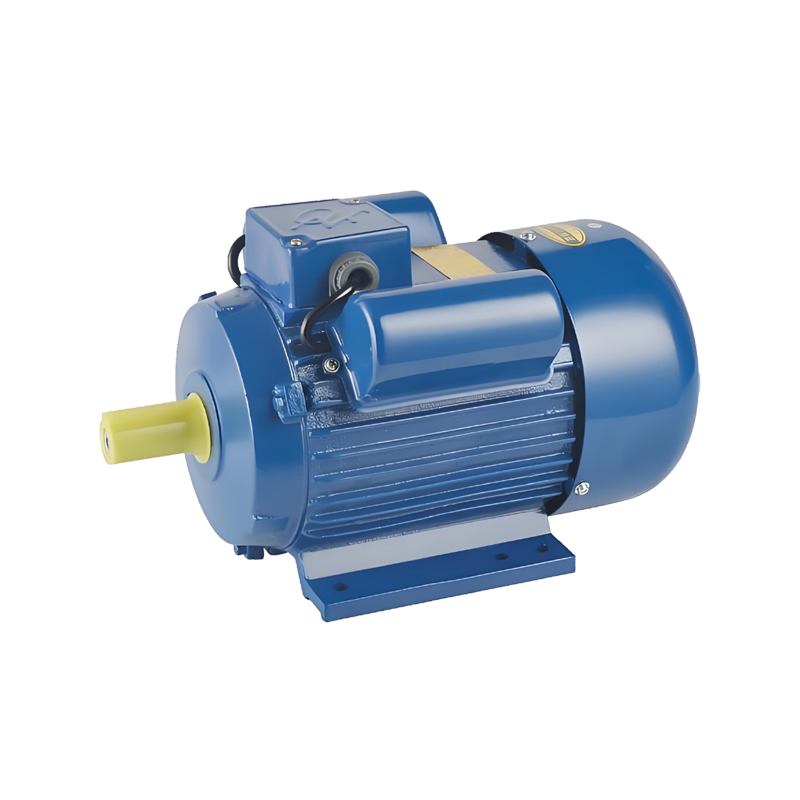
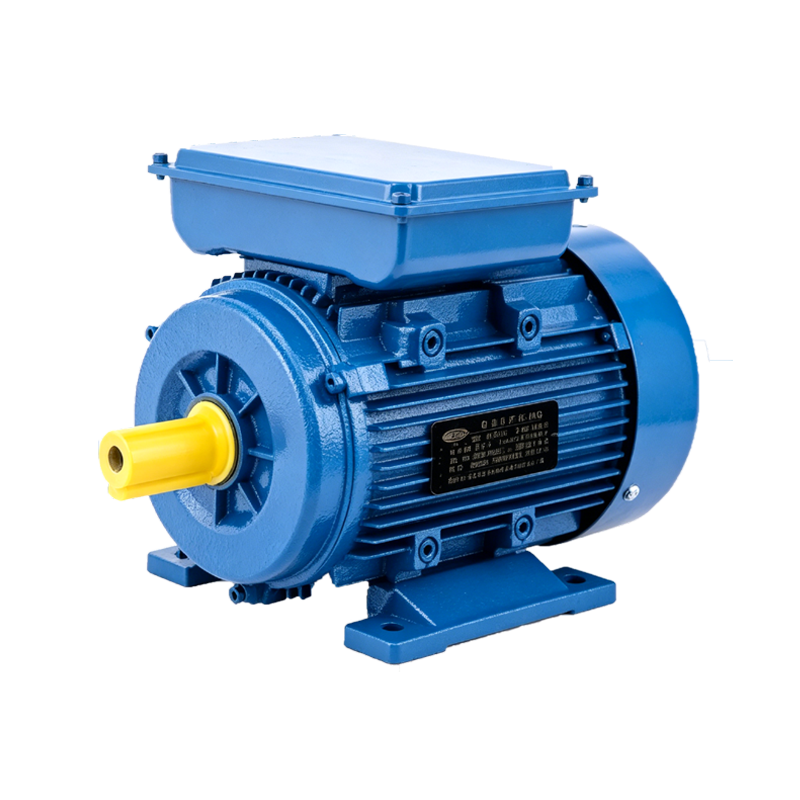
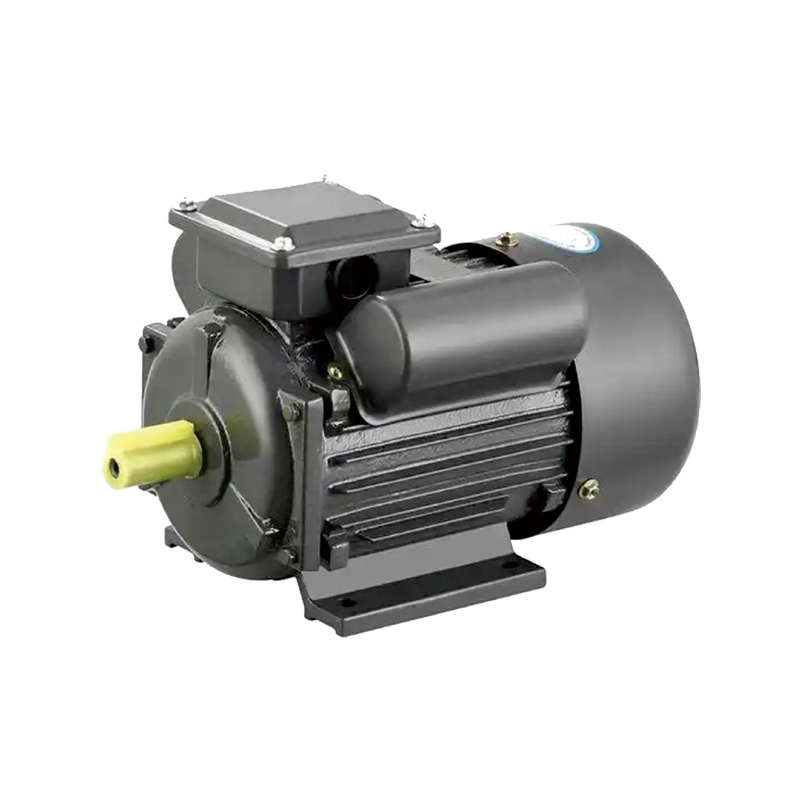
Single-phase motors are widely used in equipment where three-phase power is unavailable or unnecessary. From pumps and ventilation systems to small industrial machines and household equipment, their performance depends on more than rated power alone. For buyers evaluating Single Phase Induction Motors, one common challenge is choosing a model that can handle the actual working load, particularly when equipment experiences frequent starts, changing resistance, or extended operating periods. Understanding these conditions before purchasing can help manufacturers and equipment builders avoid problems such as difficult starting, excessive heating, and unstable operation.
Starting Performance Deserves Early Attention
A motor may operate normally after reaching its rated speed but still struggle during startup. This can happen when the connected equipment requires considerable starting torque or places a heavy load on the motor from the beginning.
Applications such as certain pumps, compressors, and mechanical drive systems may have different starting requirements. Buyers should therefore check the motor's starting torque and starting current alongside its rated output. The starting method and capacitor configuration also matter because different single-phase motor designs are intended for different operating conditions.
Rather than selecting a motor based only on its power rating, equipment manufacturers should explain the startup characteristics of the driven machine when requesting a suitable model.
Match Motor Output to the Actual Load
Selecting a motor with insufficient output can lead to poor operating performance, while choosing an unnecessarily large motor may increase equipment cost and create installation challenges.
A practical selection process should consider:
- Required mechanical output and operating speed
- Load characteristics during startup and normal operation
- Expected operating hours
- Transmission method and mechanical losses
- Installation space and mounting arrangement
- Ambient temperature and ventilation conditions
For example, a fan operating under relatively stable conditions may have different requirements from a pump that frequently starts against pressure. Understanding the application helps buyers communicate their requirements more clearly to the motor manufacturer.
Frequent Starts Can Change the Operating Conditions
Some machines run continuously, while others switch on and off throughout the working day. This difference can affect motor temperature and component life.
During startup, a motor draws more current than it does under normal running conditions. Repeated starting may increase thermal stress, especially when the intervals between operating cycles are short or the motor is frequently restarted under load.
Buyers should provide information about the expected starting frequency and duty cycle. Manufacturers can then assess whether the selected motor design and thermal protection arrangement are appropriate for the intended application. This is particularly important for automated equipment and machinery operating with intermittent workloads.
Heat Management Should Not Be Overlooked
Temperature is an important consideration in long-term motor operation. Excessive heat can affect winding insulation, bearings, capacitors, and other components. However, the motor's actual temperature depends on several factors, including load, ambient conditions, ventilation, installation position, and operating duration.
When evaluating a motor, buyers should review its insulation class, cooling arrangement, enclosure design, and specified operating conditions. They should also consider whether the motor will be installed in a confined space or an environment with limited airflow.
A suitable installation can help the motor operate under the conditions intended by its design.
Power Supply Compatibility Affects Motor Selection
Single-phase induction motors are available in different voltage and frequency configurations for different markets. A motor intended for one electrical supply should not automatically be assumed suitable for another.
Before placing an order, overseas buyers should confirm the local supply voltage, frequency, connection requirements, and starting arrangement. They should also check whether the motor's rated performance corresponds to the intended power supply.
For equipment exporters and distributors, confirming these details at the quotation stage can reduce specification misunderstandings and simplify product integration.
Maintenance Requirements Influence Long-Term Use
Maintenance planning is another factor worth considering before purchasing. Capacitors, bearings, electrical connections, and ventilation passages may require inspection depending on the motor design and working environment.
For maintenance teams, useful checks include:
- Inspecting electrical connections for looseness
- Checking for unusual noise or vibration
- Keeping cooling passages free from accumulated dust
- Reviewing capacitor condition when starting problems occur
- Following the manufacturer's recommended maintenance intervals
Clear maintenance instructions also help distributors provide more effective technical support to their customers.
Work With a Manufacturer on Application Matching
Choosing a motor is ultimately an engineering decision that connects electrical specifications with mechanical requirements and installation conditions. As a manufacturer of Single Phase Induction Motors, we consider factors such as rated output, starting performance, duty cycle, voltage, frequency, mounting, and cooling when evaluating customer requirements. For overseas equipment manufacturers and industrial buyers, providing these details early can make model selection and customization discussions more productive. A motor matched to its actual working conditions is better positioned to support reliable equipment operation and practical long-term maintenance.