 English
 русский
 Français
 Español
 عربى

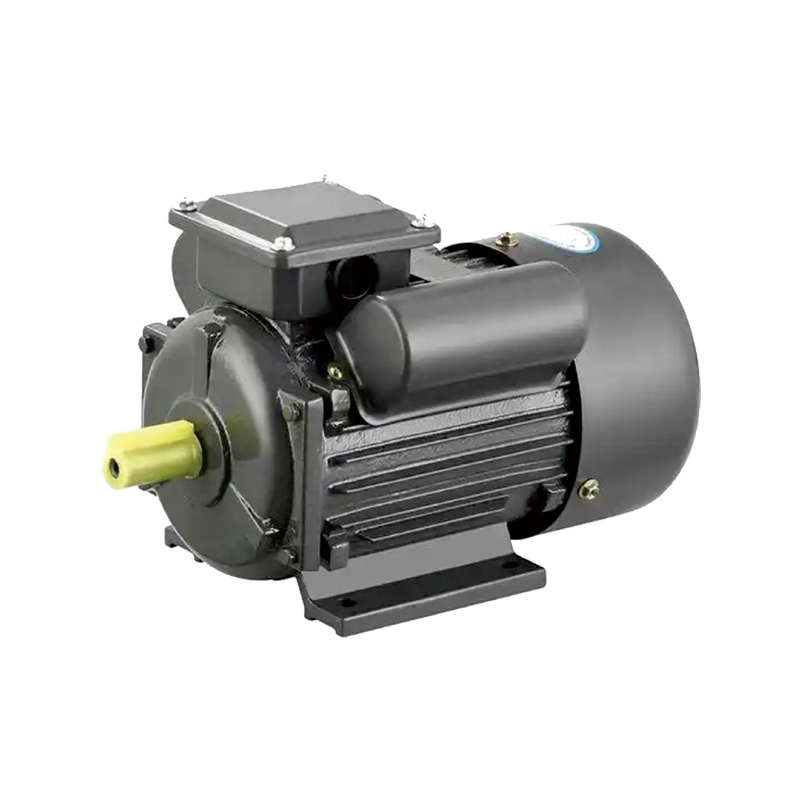
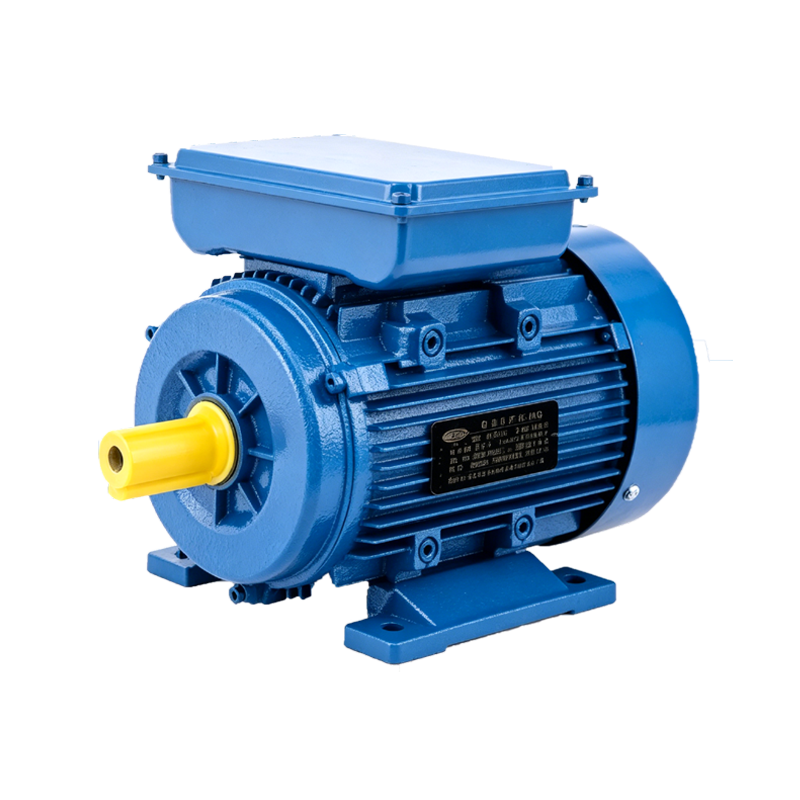
In residential, commercial, and light industrial applications, reliable motor starting is essential for keeping equipment operating as expected. However, voltage fluctuations, excessive mechanical loads, and deteriorating electrical components can make starting difficult, particularly in installations with limited power capacity. Pumps may take longer to reach operating speed, compressors may experience repeated starting problems, and ventilation equipment may trip its protection devices. Understanding these issues helps equipment buyers make better purchasing decisions. Selecting suitable Single Phase Induction Motors requires attention to starting torque, capacitor configuration, electrical conditions, and the demands of the driven equipment.
Why Does Supply Voltage Matter During Motor Starting?
Single-phase induction motors require an appropriate electrical supply to establish the magnetic field needed for operation. When the supply voltage drops during startup, the motor may struggle to develop sufficient torque to accelerate its load.
This situation can occur in facilities with long power cables, undersized wiring, overloaded circuits, or unstable local electricity networks. The problem becomes more noticeable when several electrical devices start simultaneously.
A motor that takes too long to accelerate may draw elevated current for an extended period, increasing thermal stress. Buyers should therefore check the actual voltage available at the motor terminals rather than relying only on the nominal supply rating.
How Do Starting Capacitors Affect Motor Performance?
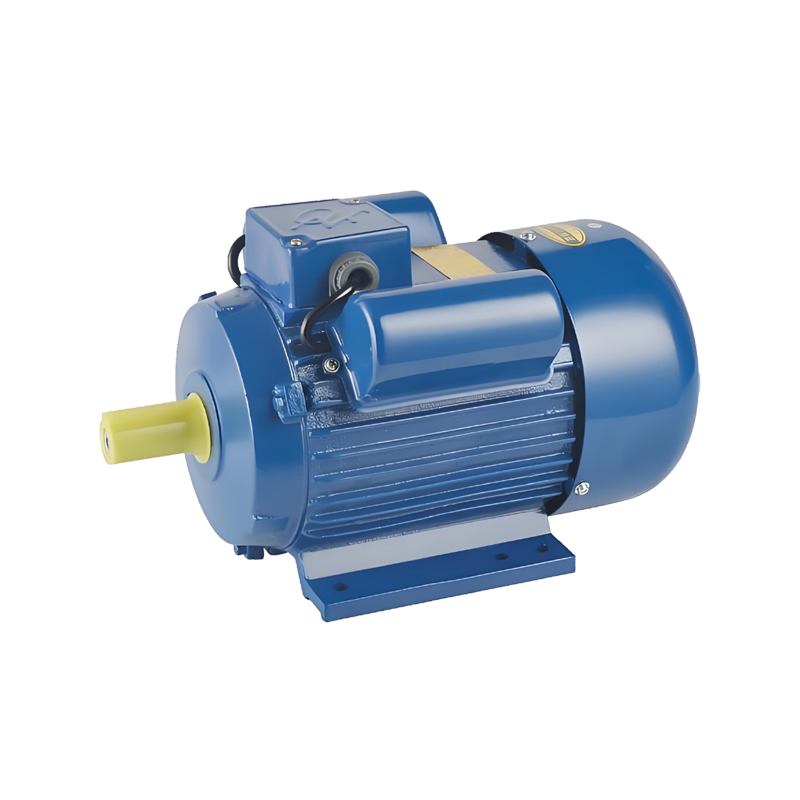
Many single-phase induction motors use auxiliary windings and capacitors to create the phase difference required for starting. Depending on the motor design, a starting capacitor provides additional starting torque, while a running capacitor can remain connected during normal operation.
When a capacitor deteriorates, its electrical characteristics may change and affect motor performance. Common warning signs include:
- The motor produces a humming sound but fails to rotate.
- Starting becomes slower than usual.
- The motor trips its overload protection during startup.
- Operating temperature increases unexpectedly.
However, these symptoms do not always indicate capacitor failure. Supply voltage, mechanical resistance, switching components, and winding conditions should also be investigated before deciding on a replacement.
Is Your Motor Properly Matched to the Mechanical Load?
Electrical problems are not the only reason a motor may struggle to start. The connected equipment can also demand more starting torque than the motor is designed to provide.
For example, a water pump starting against unsuitable pressure conditions or an air compressor restarting under residual pressure may place additional demands on the motor.
Before selecting a replacement, engineers should evaluate:
- Required starting torque and operating torque.
- Equipment inertia and mechanical resistance.
- Expected starting frequency.
- Continuous or intermittent operating duty.
- Rated power and operating speed.
Choosing a motor based only on horsepower or kilowatt ratings may overlook important differences in starting characteristics.
What Can Manufacturers Do to Improve Motor Reliability?
Motor reliability begins with selecting an appropriate design for the intended application. Capacitor configuration, winding design, thermal protection, insulation, and cooling arrangements all influence operating behavior.
As a manufacturer, we recommend evaluating the complete application before confirming a motor specification. Important information includes the supply voltage, frequency, driven equipment, installation environment, and expected operating cycle.
For OEM projects, these details help determine whether a capacitor-start, capacitor-run, or other single-phase motor configuration is more appropriate. Matching the electrical design to the actual load can help reduce avoidable starting problems.
How Can Regular Inspection Prevent Unexpected Downtime?
Preventive maintenance helps identify developing electrical and mechanical problems before they interrupt equipment operation. Maintenance teams should establish inspection procedures based on operating conditions and manufacturer recommendations.
Useful inspection points include checking electrical connections, monitoring operating temperature, listening for unusual bearing noise, and reviewing changes in startup behavior. Capacitors and starting switches should also be inspected when symptoms indicate possible deterioration.
Any electrical testing or capacitor replacement should be performed by qualified personnel after the equipment has been safely isolated. Capacitors can retain dangerous electrical charge even after the power supply has been disconnected.
What Should Buyers Check Before Ordering a Single Phase Motor?
For overseas equipment manufacturers and distributors, purchasing decisions should account for more than rated power and price. Voltage and frequency compatibility, starting performance, mounting dimensions, protection requirements, and operating duty should all be confirmed.
It is also important to discuss the intended application with the supplier. A motor designed for a fan may not offer the starting characteristics required by a pump or compressor. Clear technical communication helps avoid mismatches during equipment assembly and installation.
As a manufacturer, we focus on understanding customer application requirements and providing suitable motor configurations. Technical specifications, product consistency, and customization capabilities are important considerations for long-term OEM cooperation.
Making Motor Selection a More Informed Decision
Starting difficulties are often the result of several factors working together, including electrical supply conditions, capacitor performance, mechanical loading, and motor design. Identifying the actual cause is more effective than replacing components without a proper assessment.
When evaluating suppliers, overseas buyers should look for a manufacturer that understands these application differences and can provide practical technical guidance. Choosing appropriately configured Single Phase Induction Motors helps equipment manufacturers improve starting performance, support stable operation, and develop products suited to their customers' electrical and mechanical requirements.