 English
 русский
 Français
 Español
 عربى

Industrial motors are expected to operate reliably across changing workloads, production schedules, and environmental conditions. Yet some problems only become apparent after installation, when a motor struggles to start, runs hotter than expected, or fails to deliver the required mechanical output. These issues can lead to troubleshooting work and interruptions that could have been reduced through better specification planning. For equipment manufacturers, maintenance teams, and procurement professionals, understanding the relationship between motor ratings, starting conditions, and the driven machine is an important part of purchasing the right equipment.
Match Motor Ratings to the Actual Load
Motor selection should begin with the mechanical work the equipment needs to perform. Pumps, fans, conveyors, compressors, and processing machinery place different demands on the motor, especially during startup and changes in operating conditions.
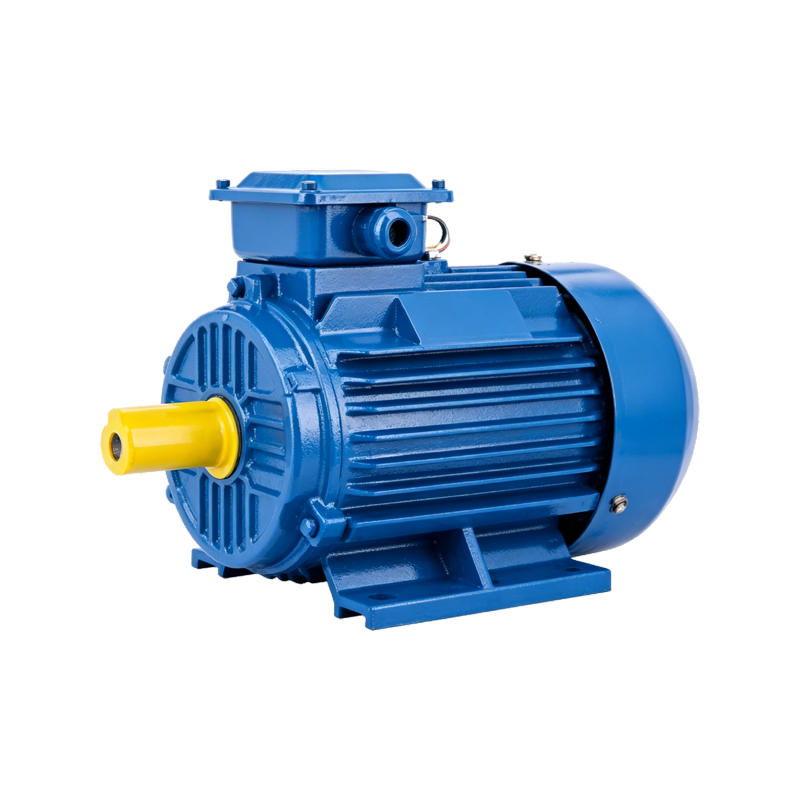
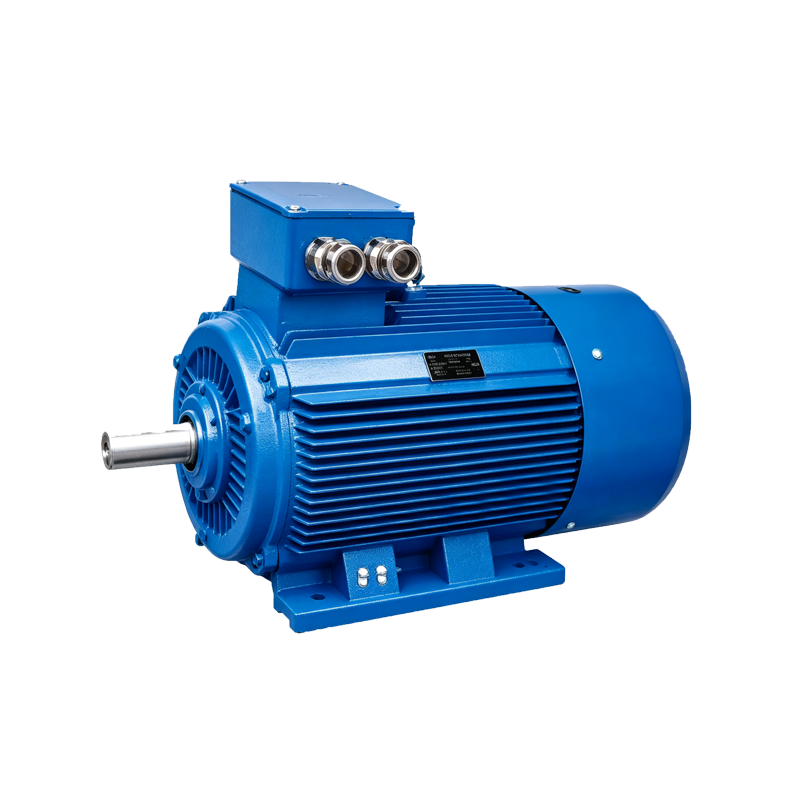
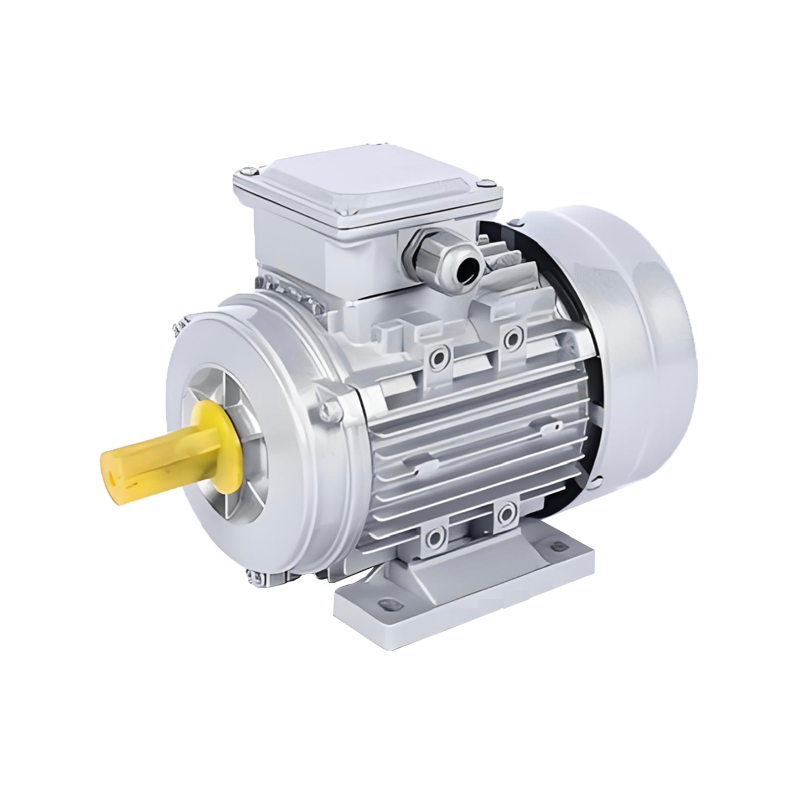
When evaluating Three Phase Induction Motors, buyers should review rated power, voltage, frequency, speed, and current alongside the application's torque requirements. A motor that appears suitable based on power alone may not provide the starting performance or operating characteristics needed for a particular machine.
Manufacturers can support the selection process by reviewing the load profile and expected duty cycle before confirming a model. This helps avoid specifications that are unnecessarily large or unsuitable for the intended application.
Verify the Available Power Supply
Electrical compatibility is essential for reliable operation. The motor's rated voltage and frequency must correspond to the available supply and the intended connection arrangement. Incorrect assumptions about the power source can create commissioning difficulties or affect motor performance.
Before placing an order, procurement teams should confirm:
- Available three-phase supply voltage and frequency
- Motor nameplate ratings and connection requirements
- Starting method and associated electrical equipment
- Required protection and isolation arrangements
- Compatibility with any existing control panel or drive
These details are particularly important when equipment is supplied for different export markets. The motor specification should be confirmed against the actual installation conditions rather than relying on a general description.
Consider Starting Current and Torque
An induction motor draws additional current during startup, while the available starting torque must be sufficient to accelerate the connected load. The actual requirements depend on motor design, load inertia, and the selected starting method.
For machines that start under load, engineers should examine whether direct-on-line starting is appropriate or whether another method is needed to manage electrical demand and mechanical stress. Soft starters and variable frequency drives may be suitable in certain applications, but their selection requires checking the motor, control strategy, and process requirements together.
Discussing startup conditions before purchasing can help prevent a motor from being matched to a machine that is difficult to accelerate reliably.
Investigate the Causes of Excessive Temperature
Motor temperature is influenced by load, ambient conditions, ventilation, installation, and electrical supply quality. A motor running hotter than expected should not automatically be treated as a manufacturing defect; the operating conditions also need to be examined.
Engineers should check whether the motor is overloaded, whether cooling passages are obstructed, and whether the supply voltage and phase conditions are appropriate. For variable-speed applications, cooling performance at reduced speeds may also require attention, depending on the motor design.
As a manufacturer, reviewing the intended operating environment and duty cycle helps determine whether the selected motor configuration is appropriate.
Check the Installation Before Commissioning
Even a correctly specified motor can experience problems when installation details are overlooked. Misalignment, unsuitable mounting, excessive vibration, or incorrect wiring can affect performance and place additional stress on connected equipment.
A pre-start inspection should cover:
- Mounting security and shaft alignment
- Cable connections and grounding
- Coupling condition and mechanical freedom
- Ventilation clearance and environmental protection
- Protection settings and direction of rotation
These checks provide a practical way to identify installation issues before the motor enters normal service.
Plan Maintenance Around Operating Conditions
Maintenance intervals should reflect the motor's workload, environment, and operating history. Dust accumulation, moisture exposure, vibration, and bearing condition can all influence maintenance needs.
Rather than waiting for a failure, maintenance teams can record operating current, unusual noise, temperature changes, and vibration trends. Comparing these observations over time helps identify changes that may require further investigation.
Clear maintenance records also assist when troubleshooting recurring issues or evaluating whether an application requires a different motor specification.
Make Motor Selection a Technical Decision
Reliable motor operation begins with a clear understanding of the driven equipment, power supply, startup behavior, and installation environment. By reviewing these factors before ordering and validating them during commissioning, buyers can reduce avoidable compatibility problems and improve equipment planning. A Three Phase Induction Motors manufacturer that evaluates application requirements alongside electrical ratings can help overseas customers select suitable motor configurations for industrial machinery and long-term operating needs.